
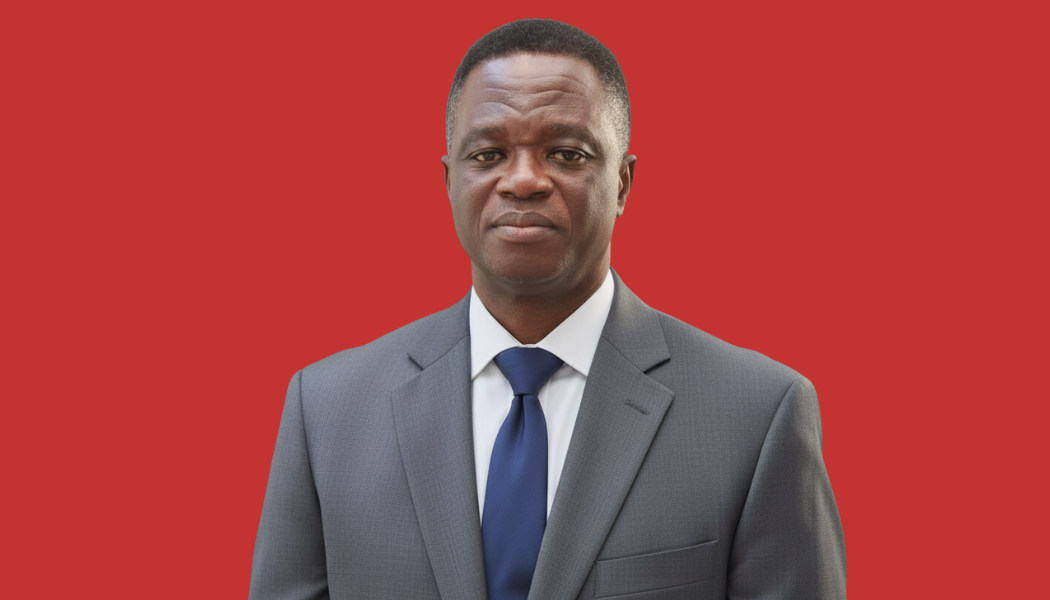

The West Africa Tech Excellence Forum has announced the appointment of Mr. Samuel Darkey Ofori as one of the judges for the WATEF Hackathon 2025. His selection comes at a time when the forum is placing strong emphasis on digital learning, classroom technology, and the future of STEM education across the region. The appointment signals something important. It reflects WATEF’s growing commitment to bringing practicing educators, not only technologists or industry voices, into the conversation about which solutions will shape the next wave of educational tools in West Africa.
His journey in education has always revolved around one idea. Students should feel that mathematics is within their reach. That simple belief has guided his work across two continents, from Ghana to the United States, and it continues to shape how he teaches, collaborates, and now evaluates emerging technologies. For the WATEF community, his presence on the judging panel means this year’s teams will receive feedback from someone who understands the classroom environment in its real, everyday detail. It also means the ideas brought to the hackathon will be reviewed through the lens of what genuinely improves learning and what only appears innovative on the surface.
A Journey Rooted in Mathematics and Student Growth
Mr. Ofori’s path began in Ghana, where he completed a degree in Mathematics Education and stepped into the classroom as a tutor at Dorfor Senior School. Teaching mathematics in that environment required patience, adaptability, and a sense of responsibility for students who approached the subject with varying levels of confidence. He taught topics ranging from basic algebra to more advanced concepts, focusing less on getting through the syllabus and more on helping students see mathematics as a practical skill they could use in their everyday lives.
Those early years at Dorfor Senior School shaped his understanding of how students learn. He saw how a clear explanation could shift a learner’s attitude and how consistent guidance could help a once hesitant student grow to trust their own reasoning. Many of his students performed strongly in examinations, not because they memorized patterns but because they gained a firmer grasp of the logic behind the subject. This approach laid the foundation for a career defined by clarity, careful preparation, and a steady commitment to giving every learner a fair chance.
His move to the United States marked a new stage in his professional development. At Lancaster High School in South Carolina, he continued to teach mathematics, taking on courses such as Algebra, Geometry, and Pre Calculus. The students were different, the system was different, and the expectations were wider, yet the core focus remained the same. He built lessons that made complex ideas easier to understand and used classroom technology to support different learning styles. As he grew in this new environment, he became known for the balance he brought to his teaching. He encouraged high achievers to stretch further while ensuring that students who needed more time or support did not feel left behind.
Throughout his time at Lancaster High School, he also contributed actively to professional learning communities, sharing strategies with colleagues and helping refine instructional practices across his department. His membership in organisations such as the National Council of Teachers of Mathematics and the Association for Supervision and Curriculum Development reflects his commitment to remaining informed about the evolving landscape of teaching and learning.
Bringing Digital Learning to Life in the Classroom
One of the strongest markers of Mr. Ofori’s teaching style is the consistent integration of digital tools into his lessons. Long before digital learning became a widespread focus in many schools, he was already using platforms such as Desmos, GeoGebra, Google Classroom, and Kahoot to support student engagement and comprehension.
For him, technology is not an extra layer. It is a means of breaking down barriers. Desmos helps students visualize equations that once felt abstract. GeoGebra supports step by step exploration of geometry and algebra. Google Classroom keeps learning organized and accessible for students who need to review material at their own pace. Kahoot introduces low pressure practice that encourages learners who might otherwise stay quiet in the classroom.
These tools create space for different types of learners. Some students understand faster when they see a graph moving as they adjust a value. Others prefer interactive exercises that allow them to test their understanding in small steps. Many benefit from the chance to revisit recorded instructions or digital notes after class. Through this mix of approaches, he supports learners who are quick to catch on and those who need more time to build confidence.
The results have shown up in stronger performance outcomes and more consistent participation. Students who once doubted their ability in mathematics have been able to follow lessons more closely and attempt more challenging problems. They have become more comfortable with problem solving and more willing to explore unfamiliar ideas. These improvements speak to his belief that mathematics can be made practical and accessible through thoughtful instruction and the right use of technology.
Why His Experience Aligns with the WATEF Hackathon 2025 Judging Categories
This year, the WATEF Hackathon has placed a strong focus on EdTech and education innovation. Mr. Ofori’s appointment aligns directly with three judging categories where his background brings exceptional value.
Digital Learning and Classroom Technology Solutions
His everyday use of platforms such as Desmos, GeoGebra, Google Classroom, and Kahoot gives him firsthand insight into what makes digital tools effective. He understands how students interact with these systems, which features genuinely drive engagement, and which innovations will make a real difference rather than add noise. When judging solutions built for classroom use, interactive teaching, or student engagement, he can evaluate them not as theoretical products but as tools that must work in real school environments. His experience helps him see beyond the interface to the actual learning process.
STEM Education and Youth Learning Innovation
With more than a decade of mathematics teaching experience across secondary and high school levels, he is well positioned to judge innovations aimed at improving STEM learning. He has seen the challenges students face when approaching new concepts. He knows what helps them make connections and how curriculum and teaching methods influence their performance. This experience allows him to assess projects related to curriculum design, instructional strategies, or STEM motivation with clarity and professional grounding. Teams working in this category will benefit from his understanding of both the academic and psychological sides of learning.
Data Driven Instruction and Assessment Tools
Over the years, he has analyzed test results, observed patterns in student performance, and adjusted his teaching to meet learners where they are. Data informed teaching is woven into his practice. He uses performance trends to identify areas where students struggle, design targeted interventions, and track progress over time. This makes him a strong evaluator for analytics driven solutions, adaptive learning tools, automated assessment systems, or personalized learning platforms. He understands the potential of data, the limitations, and the practical considerations that determine whether a tool will be useful in the hands of teachers.
A Grounded Voice Joining the WATEF Community
The WATEF Hackathon brings together developers, educators, students, founders, and researchers from across the region. Many arrive with ideas shaped by their personal experiences or by the challenges they observe in their communities. What strengthens the hackathon is the presence of judges who can speak from direct classroom experience. Voices like Mr. Ofori’s help bridge the gap between innovation and application.
Participants will encounter a judge who listens carefully, offers guidance rooted in real practice, and understands the effort required to design tools that truly improve learning. His feedback is expected to be practical, constructive, and focused on long term usefulness. For teams building EdTech products or solutions meant for schools, his perspective can help refine ideas and make them more responsive to the needs of teachers and learners.
His presence also signals to educators across West Africa that WATEF values their expertise. The hackathon is not only a place for coders and engineers. It is also a space where teachers, instructional designers, and education leaders can influence how technology grows in the region.
As preparations for the WATEF Hackathon 2025 continue, the appointment of Mr. Samuel Darkey Ofori adds depth to the judging panel. Innovators and teams working on digital learning, STEM education, or data driven instruction can look forward to insights from someone who understands the challenges and opportunities of real classrooms.
The event offers an exciting space for educators, EdTech builders, founders, and students to bring their ideas to a continental stage. With judges like Mr. Ofori, participants can be confident that their work will be evaluated with care and a genuine interest in its impact. His career has shown how much difference a thoughtful teacher can make. At this year’s hackathon, that same spirit will support teams working to strengthen education across West Africa.
WATEF invites the community to come forward with bold ideas, practical solutions, and a commitment to improving how young people learn. With experienced educators helping guide the process, this year’s edition promises to deepen the connection between innovation and the realities of learning across the region.
