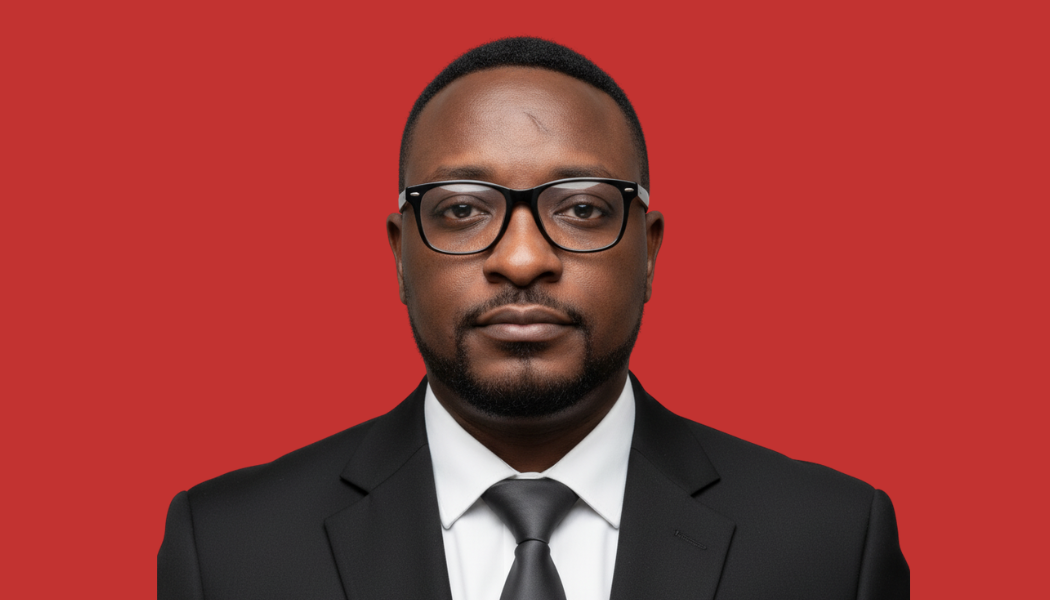

The West Africa Tech Excellence Forum has confirmed Mr. Oludayo Sofoluwe as one of the headline judges for the WATEF Hackathon 2025. His appointment signals something very clear to participants across the region. This will not be a theoretical showcase. It will be a technically grounded competition where practical, field tested ideas in energy, subsea systems, and safety will be put under serious scrutiny.
For more than two decades, Oludayo has worked at the heart of offshore oil and gas operations, subsea engineering, and field development. His career spans hands on work at well sites and facilities, complex subsea interventions deep offshore, leadership roles on major projects, and now a strategic focus on subsea control systems, standards, and digital tools at TotalEnergies One Tech headquarters. He brings to the WATEF judging panel experience that runs from pipeline design to commissioning of deepwater assets and from reservoir analysis to long term asset integrity management.
For innovators planning to submit projects to WATEF Hackathon 2025, his presence on the judging panel is both an opportunity and a clear message. The ideas that rise to the top will be those that can survive close examination from people who have lived the realities of offshore operations, safety constraints, and energy transition pressures.
Oludayo’s story in the energy sector began with a firm technical foundation. He studied Mechanical Engineering at the University of Ilorin, then strengthened his expertise with a Master’s degree in Petroleum Engineering from Heriot Watt University in the United Kingdom. This dual background in mechanical and petroleum engineering later became one of his strengths, allowing him to move confidently between surface facilities, subsurface analysis, and subsea systems.
His early career roles gave him a ground level view of how oil and gas projects move from concept to reality. At Nigerian Agip Oil Company, he worked as a Projects and Facility Engineer, contributing to well hook ups, flowlines, pipelines, and process facility projects. He was involved from design through construction, installation, commissioning, and final handover. That exposure taught him how engineering drawings, procurement decisions, and construction plans translate into real assets that must operate safely in harsh environments.
He later served as a Facilities and Petroleum Engineer at Waltersmith Petroman Oil Limited, where he worked on flow station upgrades and gas lift compression and distribution systems. Those responsibilities demanded an understanding of production systems, debottlenecking, and the practical challenges of keeping fields productive and safe.
As a Reservoir Engineer at Sterling Global Oil Resources, he went further upstream. There he worked on exploration and development studies, well testing, data analysis, and collaboration with partners and regulators. This broadened his appreciation of how reservoir behaviour, drilling decisions, and field development plans shape the long term performance of assets.
By the time he moved fully into subsea operations, Oludayo had already built an end to end view of the energy project chain, from reservoir to facilities. That perspective is one of the reasons his voice carries weight when he evaluates new ideas that claim to improve field operations or asset performance.
Deepwater, Subsea Systems, and Life of Field Expertise
Most of his later career has been with TotalEnergies, especially in its Nigerian deep offshore operations. At TotalEnergies EP Nigeria, he held several key roles that now anchor his credibility as a judge for offshore and subsea innovation.
As a Subsea Support Engineer, he served as a focal point for offshore subsea operations and interventions. He worked closely with offshore teams, analysed subsea issues, contributed to HSE and SIMOPS procedures, and supported intervention campaigns. That role demanded quick, accurate technical judgment, because subsea incidents often carry significant safety and cost implications.
He later became Egina Project Commissioning Site Leader, overseeing the commissioning and start up of subsea production systems on one of Nigeria’s flagship deepwater developments. He coordinated multi disciplinary teams, developed commissioning strategies, and managed manpower and schedules for pre commissioning and commissioning activities. Bringing complex subsea systems online safely and on schedule requires a calm approach, structured thinking, and the ability to keep teams focused under pressure.
As Senior Subsea Projects and Methods Engineer, he focused on improving work methods, resolving integrity threats, and helping to introduce technological improvements that could reduce operating costs and increase equipment availability. This was not abstract process improvement. It involved engaging with actual subsea equipment performance, failure modes, intervention histories, and contractor performance, then shaping more effective ways of working.
In his role as Subsea Maintenance Manager and Life of Field Manager, he carried responsibility for both routine and non routine subsea maintenance, subsea interventions, life of field contracts, and technical support for new and special projects. His mandate covered HSE performance, asset integrity, and the reliability of subsea systems that sit on the critical path for production.
Today, at TotalEnergies One Tech headquarters, he works on subsea control systems, standards, and digital tools. This positions him at the intersection of operations, technology standardisation, and the digitalisation of subsea monitoring and control.
This arc, from field engineer to commissioning leader and then to subsea standards and digital tools, is exactly the kind of depth WATEF wants at the judging table of a serious, energy focused hackathon.
Judge Category 1: Offshore Energy Systems, Subsea Technology, and Field Operations Innovation
One of the three WATEF Hackathon 2025 judging categories assigned to Oludayo is Offshore Energy Systems, Subsea Technology, and Field Operations Innovation.
In this category, WATEF expects to see solutions such as new subsea tools, remote inspection concepts, underwater robotics, integrity monitoring platforms, digital twins for subsea assets, offshore safety support applications, and real time field support technologies.
Oludayo’s entire career in deepwater operations and subsea systems gives him a practical lens for reviewing these ideas. As Subsea Maintenance Manager and Life of Field Manager, he knows the real cost of downtime, vessel days, and unplanned interventions. He understands how subsea failures propagate into production losses, safety risks, and commercial disputes.
From his time as Egina Project Commissioning Site Leader, he understands the complexity of integrating subsea hardware, control systems, topside systems, and operating procedures into a coherent whole. He has seen where commissioning plans succeed and where they need reinforcement.
As a former Subsea Support Engineer, he has lived the reality of diagnosing subsea problems with limited data, under strict time and safety constraints, and often far offshore.
As a judge, he will not be impressed only by attractive user interfaces or sophisticated language around innovation. He will look for concepts that understand constraints such as harsh subsea environments, intervention vessel logistics, failure detection limits, and the practicalities of integrating new tools into existing fields.
Projects in this category that stand out will be those that show a clear path from prototype to offshore deployment, realistic assumptions about data availability and communication links, and a clear improvement in either safety, uptime, or intervention efficiency.
Judge Category 2: Energy Transition, Sustainable Operations, and Low Carbon Engineering
The second category assigned to him speaks directly to the future of the sector. Energy Transition, Sustainable Operations, and Low Carbon Engineering is an area where WATEF expects to see creative projects that address emissions reduction, cleaner processes, energy efficiency, and the integration of new energy models into existing operations.
Oludayo is currently enrolled in an Executive Master of Management in Energy at IFP School and BI Norwegian Business School. This programme is designed to expand the thinking of energy professionals beyond pure engineering, into business models, policies, regulation, and strategy for an evolving energy landscape.
When you combine that academic work with his years of operational experience on offshore assets, you get a judge who can balance technical feasibility with the broader questions of energy transition. He knows first-hand how offshore assets are run today. He also now engages with frameworks that shape future investment, regulation, and sustainability expectations.
In this category, he will be looking for projects that do not simply rebrand existing ideas as “green”. He will expect credible pathways for emissions reduction, whether through better process integration, reduced flaring, improved power management, smarter maintenance strategies, or new digital tools that support energy efficiency.
He will also be able to test whether a low carbon idea fits within the actual operating environment of West African fields. For example, can it work with existing infrastructure constraints. Does it consider regulatory realities. Can it scale within real budgets and timelines.
Participants who bring thoughtful, data informed ideas that bridge conventional operations and emerging transition needs will find in him a judge who understands both the ambition and the practical hurdles.
Judge Category 3: Engineering Leadership, Safety Systems, and Asset Integrity Management
The third judging category, Engineering Leadership, Safety Systems, and Asset Integrity Management, aligns closely with how colleagues and teams know him.
Across his roles, Oludayo has led commissioning programs, managed multi disciplinary engineering teams, overseen safety critical offshore operations, and taken responsibility for subsea asset integrity. From revising work methods to managing life of field contracts, his work has revolved around keeping assets safe, reliable, and productive.
In this category, WATEF expects to see solutions focused on engineering risk management, safety enhancement platforms, inspection and maintenance optimisation tools, integrity analytics, remote monitoring, and digital systems that help operators make faster and safer decisions.
With his background, he will pay attention to how well teams understand risk. Has the project team identified realistic failure modes. Does the solution help frontline teams work more safely, or does it introduce new operational complexity. Is the data used in a way that supports timely, clear decision making.
His experience with SIMOPS procedures, HSE processes, and integrity threat management means he is comfortable interrogating the details. Yet as a leader who has had to align contractors, engineers, and operations teams, he also understands the human and organisational side of safety culture.
Projects that stand out in this category will show a mature understanding of how safety and integrity decisions are made in the field, not just in conference rooms. They will demonstrate how technology can support, rather than overwhelm, the engineers and technicians who carry responsibility for people and assets.
Leadership, Judgment, and Regional Impact
Beyond titles and job descriptions, what sets Oludayo apart is the way he carries his responsibilities. Colleagues know him for calm leadership under pressure, a disciplined approach to safety, and clear communication in multi stakeholder environments.
On large projects, such as commissioning phases for deepwater assets, the ability to keep teams focused, coordinated, and aligned on safety is often more important than any single technical detail. His years of guiding teams through complex offshore operations mean he brings to WATEF a tested sense of judgment.
For West Africa’s energy and technology ecosystem, judges like him are important. They bridge worlds. They understand the demands of international operators and standards, the specifics of local fields and infrastructure, and the ambitions of a younger generation that wants to build cleaner, smarter solutions.
In the WATEF Hackathon 2025 judging room, he will not be looking only for what is impressive on paper. He will be asking whether solutions can survive real operational environments in the Gulf of Guinea, the Niger Delta, and other regional hubs.
With the appointment of Mr. Oludayo Sofoluwe to the WATEF Hackathon 2025 judging panel, the message to innovators is straightforward. This is a serious platform. The judging bench includes professionals who have led offshore commissioning, run life of field programmes, and now shape standards and digital tools at global headquarters level.
Engineers, developers, students, researchers, and startup teams across West Africa are invited to bring their best work. Whether you are building subsea monitoring tools, low carbon process optimisers, safety analytics platforms, or new ways to support offshore field operations, you will be presenting to people who understand both the promise of innovation and the weight of responsibility in energy operations.
WATEF Hackathon 2025 is not only a competition for prizes. It is an opportunity to test ideas in front of practitioners who have spent years solving real problems under real constraints.
With judges like Oludayo Sofoluwe on the panel, participants can be confident that their projects will be assessed fairly, carefully, and with deep technical understanding. The standard has been set. It is now up to the region’s innovators to respond.
